Vitiligo is an autoimmune skin disease where autoantibodies attack and destroy melanocytes. These are the cells that produce melanin, which is responsible for giving skin color. This results in snow white patches and spots. Any area of skin on the scalp, face or body can be affected.
Approximately 50 different genetic sites have been identified that increase susceptibility to vitiligo. These genes code for proteins that control immunomodulation, melanocyte cell cycle and function. When melanocytes are stressed from a traumatic event (such as ultraviolet radiation damage, chemicals, microinfection, physical injury or other biologic stressors), the damaged pigment cells release molecules that stimulate T cells to identify these proteins as abnormal. This results in T cells destroying melanocytes and a loss of skin pigment.
Whether vitiligo develops depends on a complex interaction of environmental and genetic factors. This is referred to as epigenetic regulation. There are inherited patterns of gene expression that can occur in response to environmental changes without changes in the fundamental DNA coding.
Levels of reactive oxidation molecules are elevated in vitiligo. This compromises the normal protective function of antioxidant proteins in the skin. Oxidative damage to melanocytes hastens their death.
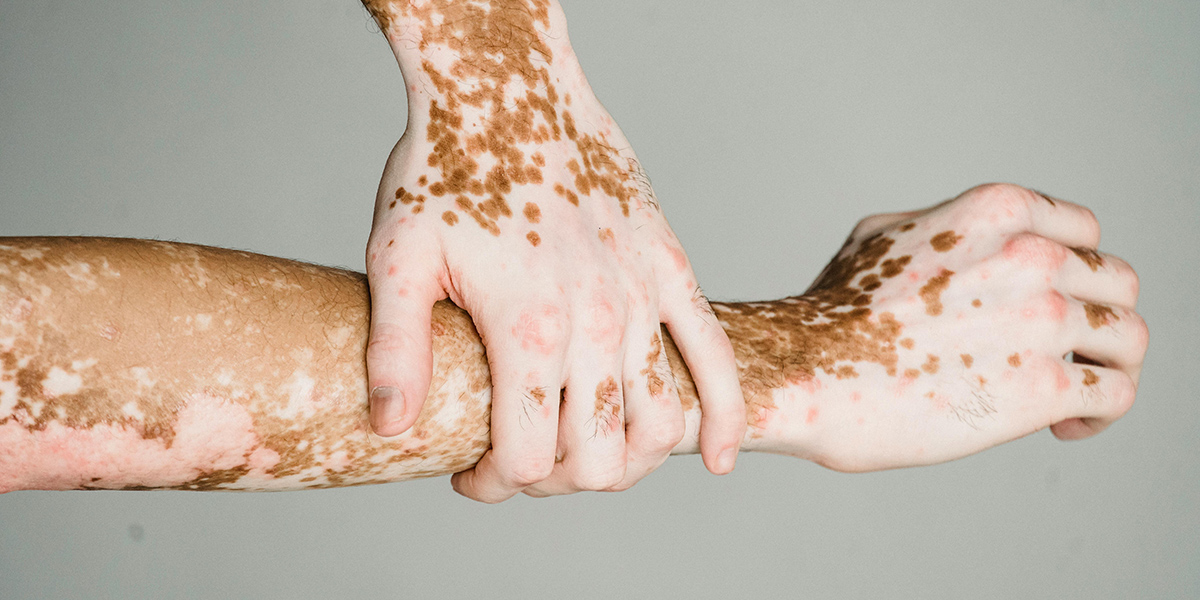
Treatments are aimed at stabilizing progression of vitiligo and promoting repigmentation by stimulating tissue stem cells, decreasing damaging reactive oxidation substances, and blocking inflammatory signaling proteins that attack melanocytes. Therapeutic options include topical and oral immunomodulating medications, phototherapy, camouflage, depigmentation, and cellular transplantation or grafting.
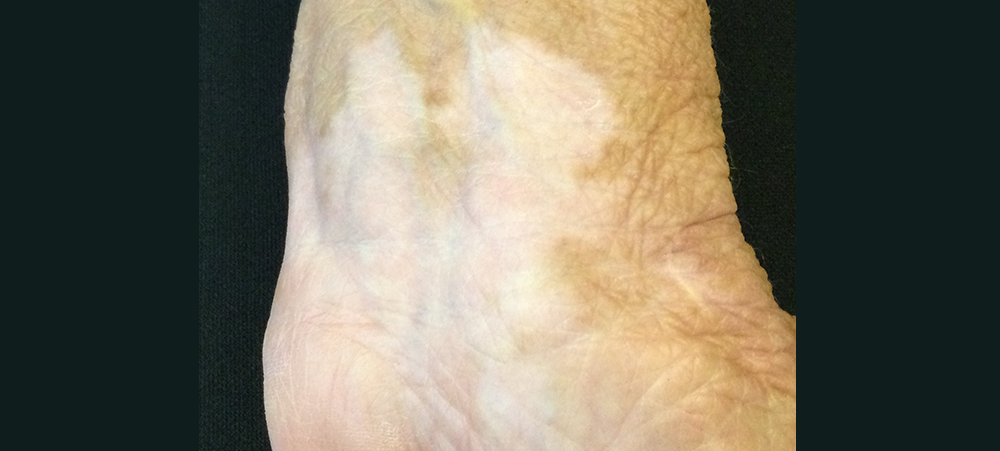
Vitiligo is a chronic, relapsing disease that can be associated with other autoimmune conditions such as thyroid dysfunction, atopic dermatitis, alopecia areata, diabetes type 1, and inflammatory bowel disease. Patients with vitiligo do not need to completely avoid sun exposure but they do need to apply sunscreen regularly and wear UV photoprotective clothing when outdoors. There is some evidence that increasing antioxidant and vitamin supplements may help counteract the inflammatory process from harmful reactive oxygen molecules.