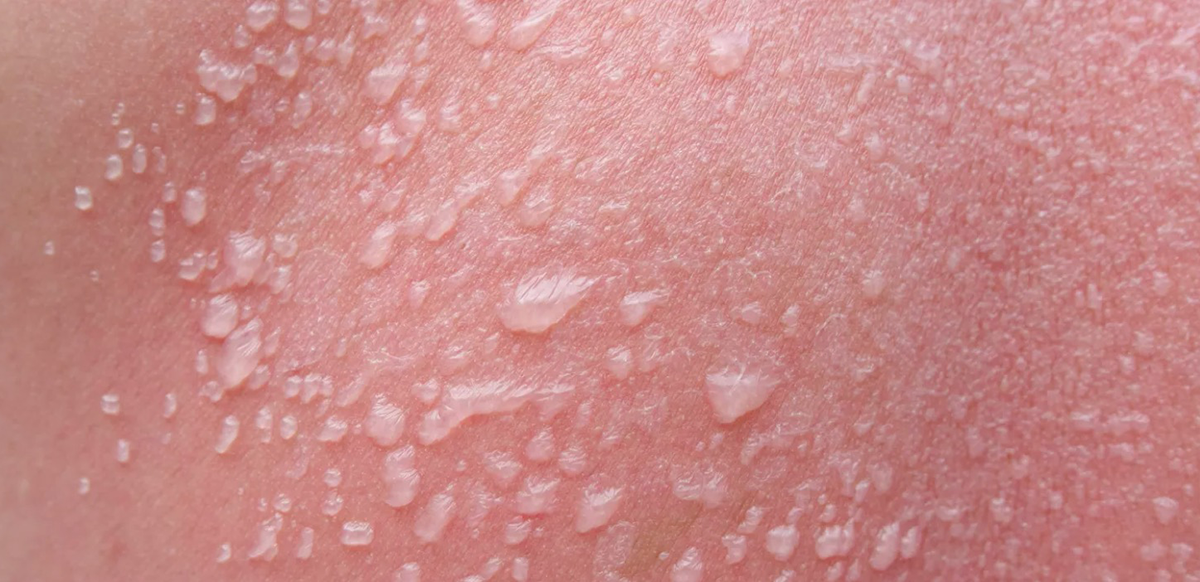
 Chronic blistering skin diseases are usually caused by an autoimmune reaction. Autoantibodies are produced that bind proteins in the epidermal layer or in an area of skin known as the basement membrane, which is the zone of attachment between the epidermis and the dermis (deeper skin layer). These are misguided antibodies that incite an inflammatory response, which destroys intercellular connections causing cells to separate and blister formation. A biopsy with special tissue stains that detect the responsible antibody/antibodies can be performed by the laboratory to identify the specific blistering disease. Medications can be taken to block the production of autoantibodies.
There are unusual blistering conditions that are associated with certain types of lymphomas or only occur during pregnancy. Rare, inherited blistering diseases also exist where an individual has an inherited structural defect in skin proteins, causing the skin to be extremely fragile and prone to tearing and blistering.
Severe drug reactions can cause widespread blistering of the skin and require urgent attention. A person can be acutely ill in such cases and other organs of the body can be involved, such as the liver and kidney. Hospitalization may be necessary.