Contrary to popular myth, acne is not a skin disease that is exclusive to adolescents. 85% of teenage females and 95% of teenage males suffer from acne. In the United States, approximately 50% of women continue to have acne in their twenties, 35% in their thirties, 26% in their forties, and 15% in their fifties. Adult men also can suffer from acne; however, the prevalence is higher in adult women. 20% men will continue to have acne into their 30's and approximately 12% will have it into their 40's.
A combination of factors contributes to the development of acne: clogging of follicular (pilosebaceous units) openings in the skin, increased abnormal oil secretion by sebaceous glands, increased growth of Cutibacterium acnes (C. Acnes), and an exuberant inflammatory response due to immune activation. C. acnes produce proteins that stimulate acne inflammation and damage skin. Sebum is a nutrition source for bacteria. Insulin-like growth factor-1, a hormone that is elevated in acne patients, increases oil production. Consumption of high glycemic index foods and milk products elevates insulin-like growth factor-1 levels.
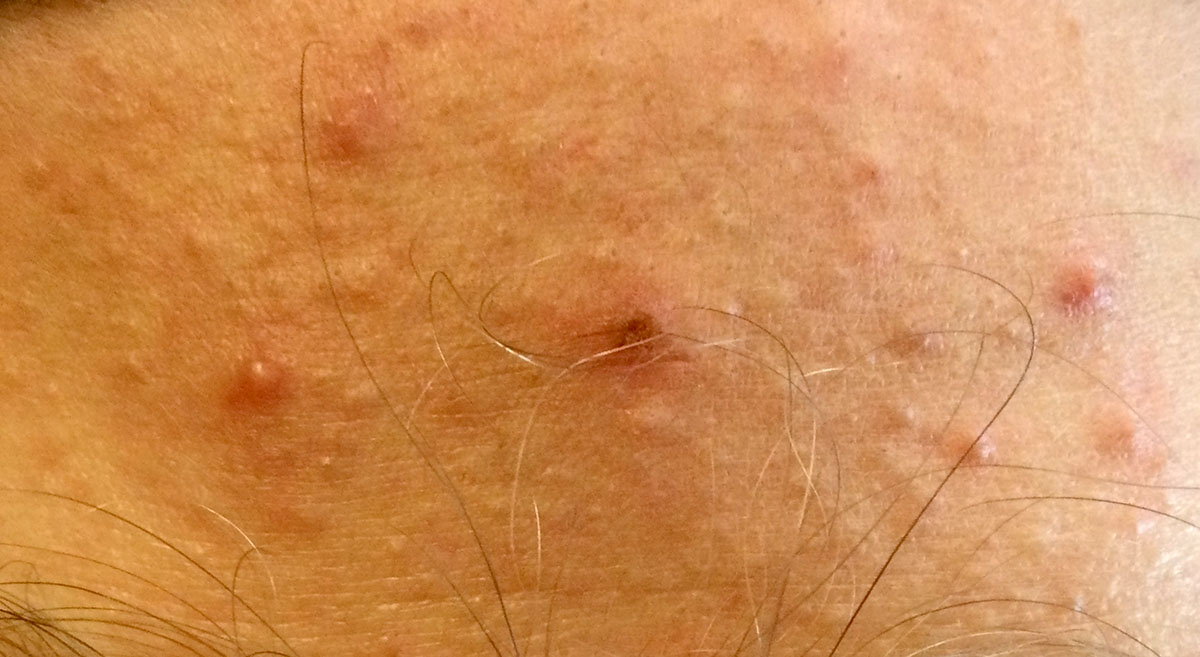
Acne treatments generally take 8-12 weeks to see a response. Optimal effectiveness involves a combination approach toward achieving the following goals: sebum production must be decreased, microbiome normalization, correction of overstimulation of the immune system in the skin, addressing hormonal triggers, adhering to a health skin diet, appropriate vitamins and supplements, adequate sleep, stress modification, and following a good skin care regimen.
Topical prescription medications can be used to decrease oil, C. acnes bacteria, clogged pores, decrease the number of white heads and black heads. Adjuvant therapies such as microneedling, comedonal extractions, microdermabrasion, and chemical peels can boost the effectiveness of topical medications by increasing their absorption into the skin. Light therapy can be used to kill C. acnes and accelerate clearing. Moderate to severe acne or acne that does not respond to the above can be treated with oral medications. Treatment is tailored to the type of acne a person has, degree of severity, and other unique medical considerations.
Every patient is given a personalized step by step skin care program designed by Dr. Wong.