Atopic dermatitis is a chronic inflammatory, intensely itchy skin condition that typically presents as areas of red, swollen, crusted, dry skin. It can develop anywhere on the skin. Atopic dermatitis is associated with allergic conditions such as asthma, hayfever, eosinophilic esophagitis, and eosinophilic gastroenteritis. 50% of cases appear within the first 5 years of life. The remaining 50% develop in adult age.
Genetics play an influential role in the development of atopic dermatitis. Inheriting mutations in the gene that codes for filaggrin protein is almost universally present in individuals with atopic dermatitis. Filaggrin is essential in the production of pyrrolidone carboxylic acid and urocanic acid, "the natural moisturizing factors" in the skin that allow retention of water in the deep skin layers and maintain the integrity of the skin barrier.
When the skin barrier is compromised, due to defects in filaggrin, there is a loss of the "glue" between the cells causing microcracks in the skin, allowing environmental allergens, foreign proteins, bacteria and other harmful substances to penetrate the skin. This causes an inflammatory response in the skin, which is an attempt to "defend" itself. Skin cells release inflammatory proteins called interleukins. This sets up a vicious cycle of increasing damage to the skin and interleukins signal immune cells to release more interleukins. In order for the skin to heal, the unique immune dysregulations that are present in atopic dermatitis must be addressed.
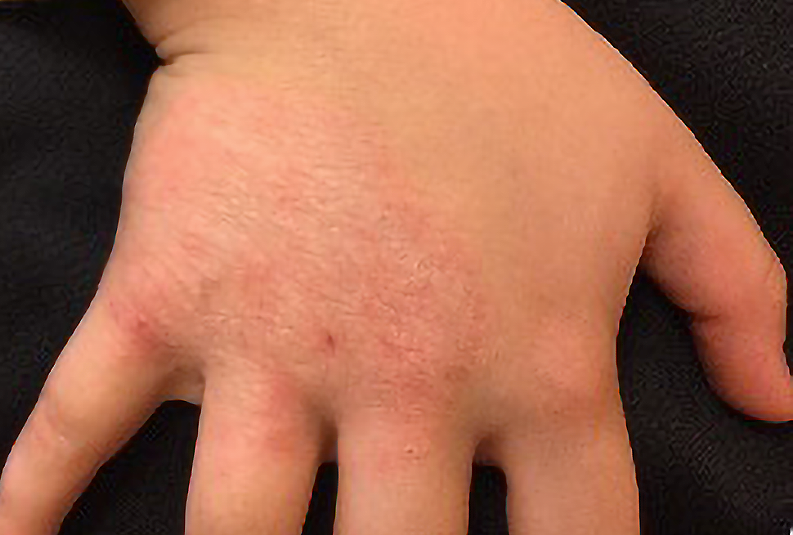 There are excellent treatments for managing atopic dermatitis. In fact, it is now possible to achieve healthy, happy skin and be itch free! Therapies are aimed at normalizing the excessive production of inflammatory proteins in the skin, such as interleukin 4, interleukin13, and interleukin 33. The choice of treatment is guided by the severity of the atopic dermatitis, age of the patient, the degree of social and emotional impact the disease is having on quality of life, and response to topical medications. Treatments include topical prescription medications, phototherapy, and systemic biologic agents.