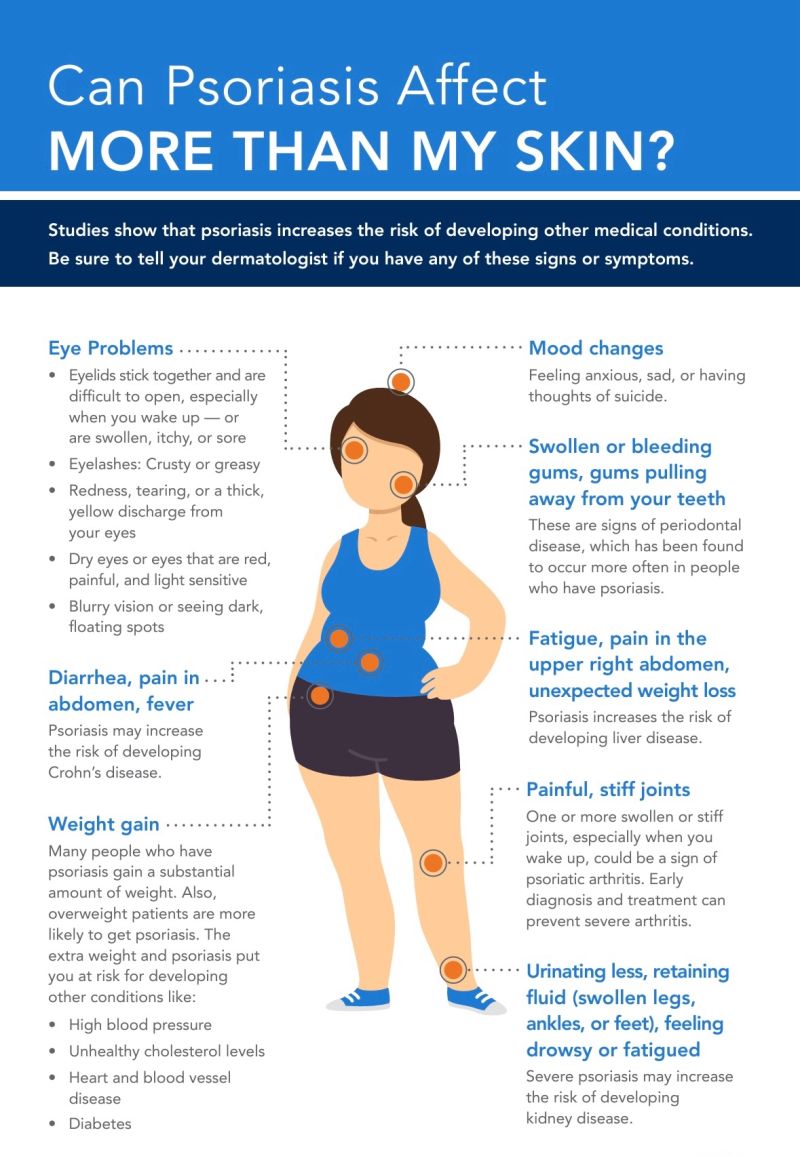
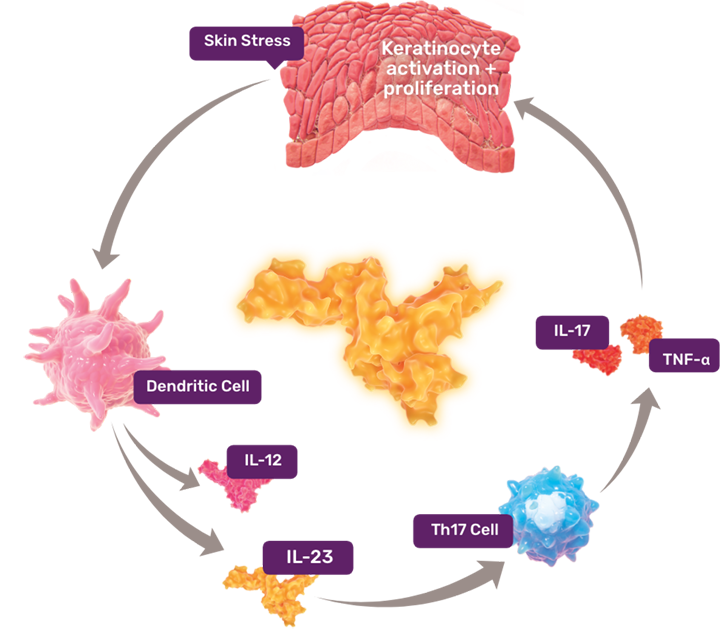
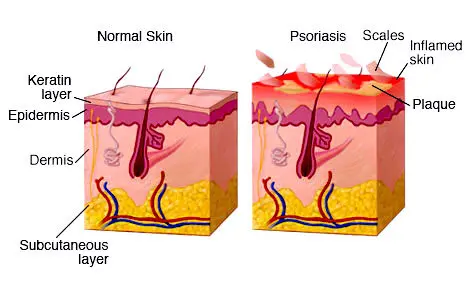
Psoriasis is an immune -mediated disease whereby there is a dysfunction in immune cells called T lymphocytes. Hyperactive T cells release inflammatory proteins called cytokines that cause a rapid overgrowth of skin cells. Psoriatic skin is red and is covered with thick, whitish silvery scale. It can involve any area of skin. Nails and joints can also be affected. There are associations with depression, inflammatory bowel disease, metabolic syndrome, and cardiovascular disease.
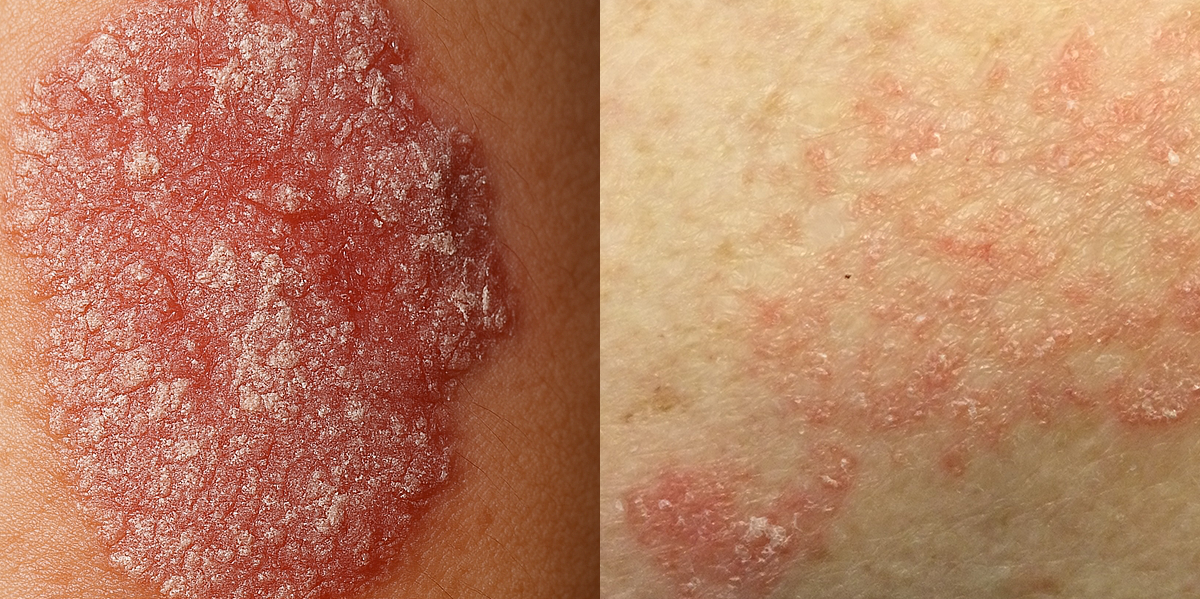
Psoriasis is a common disease, affecting over 125 million people worldwide. There is a genetic predisposition to developing the disease in many patients. Psoriasis can appear at any age but tends to be most common between 15 to 20 y.o and 50-60 y.o. Men and women are equally affected. Certain medications and infections can trigger psoriasis.
Treatment
There are excellent treatments for psoriasis. It is now possible to be 100% clear of psoriasis on the skin. Identification of the specific dysfunctional immune mechanisms that cause psoriasis have led to the development of effective therapies that block these inflammatory cytokines: interleukin-23, interleukin-17, interleukin-22, interleukin-36, interleukin-12, and tumor necrosis factor alpha (TNF-α). In some patients with psoriasis, the inflammatory cytokine profile may favor overproduction of one particular cytokine versus another. Choosing the appropriate biologic agent to block the predominant cytokine maximizes clearance of psoriasis. Medications can be oral, injectable or topical formulations. Treatment choices are based on the extent of the psoriasis, symptoms, presence or absence of psoriatic arthritis, and other medical comorbidities.