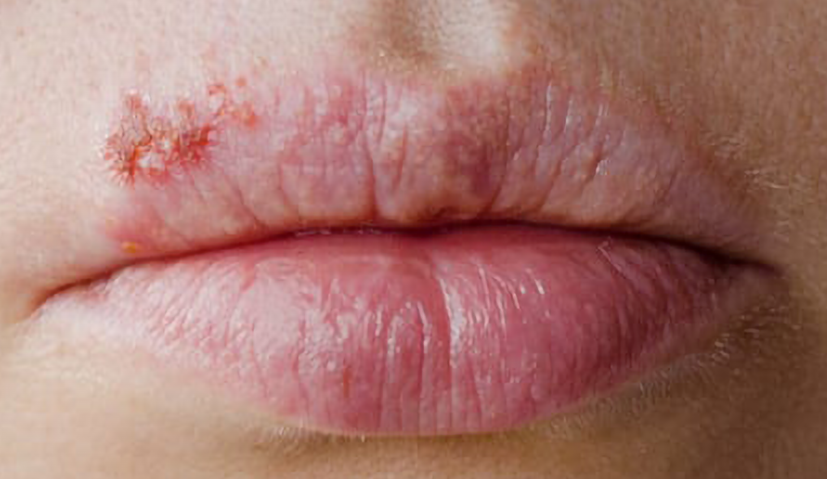
To date, there are 8 types of human herpes viruses. They have the unique ability to cause latent lifelong infection with periodic symptomatic activity. Most persons infected with herpes virus are asymptomatic. Herpes simplex virus-1 (HSV-1) is the cause of most orolabial herpes infections. Herpes simplex virus-2 (HSV-2) is the cause of most cases of genital herpes, although HSV-1 causes are rising for genital herpes.
For HSV-2, 20% of infected persons are asymptomatic. 60% of infected persons have genital herpes lesions that they do not recognize as herpes. All persons infected with herpes are infectious even if they have no symptoms or lesions.
Genital herpes is spread by skin-to-skin contact. Viral shedding occurs simultaneously from several areas: penis, vagina, cervix, rectum through normally appearing intact skin and mucosal areas. The risk of transmission in monogamous couples in which only 1 partner is infected is about 5-10% per year, with women being at greater risk for infection.
Typical recurrent genital HSV-2 is accompanied by itching, pain, stinging or burning sensation or even a low backache. A breakout usually lasts about 1 week.
Treatment depends on frequency of recurrences, severity, infection status of sexual partners and psychological impact. Antiviral medication suppresses viral replication. Intermittent treatment reduces the duration of the average recurrence by 1 day. Medication is most effective if started at the onset of symptoms rather than waiting for blisters and sores to develop.
Daily suppressive therapy is recommended for more than 10 recurrences per year. This decreases HSV-2 shedding by 95%.